Most people have felt it at some point. You climb a flight of stairs, hurry to catch a bus, or just wake up in the night, and suddenly you cannot get enough air. For some people it passes quickly. For others it keeps coming back, and that is when it starts to get worrying.
Shortness of breath, or dyspnea, is one of the top reasons people visit the emergency department. It is not a disease on its own. It is the body signalling that something else is going on, and that something can range from mild anxiety to a serious heart or lung condition.
At Neyyar Medicity, a multispeciality hospital in Trivandrum, we see breathing-related complaints across cardiology, pulmonology, and general medicine. This post covers what causes it, when to worry, and what happens when you actually come in.
What Does It Actually Feel Like?
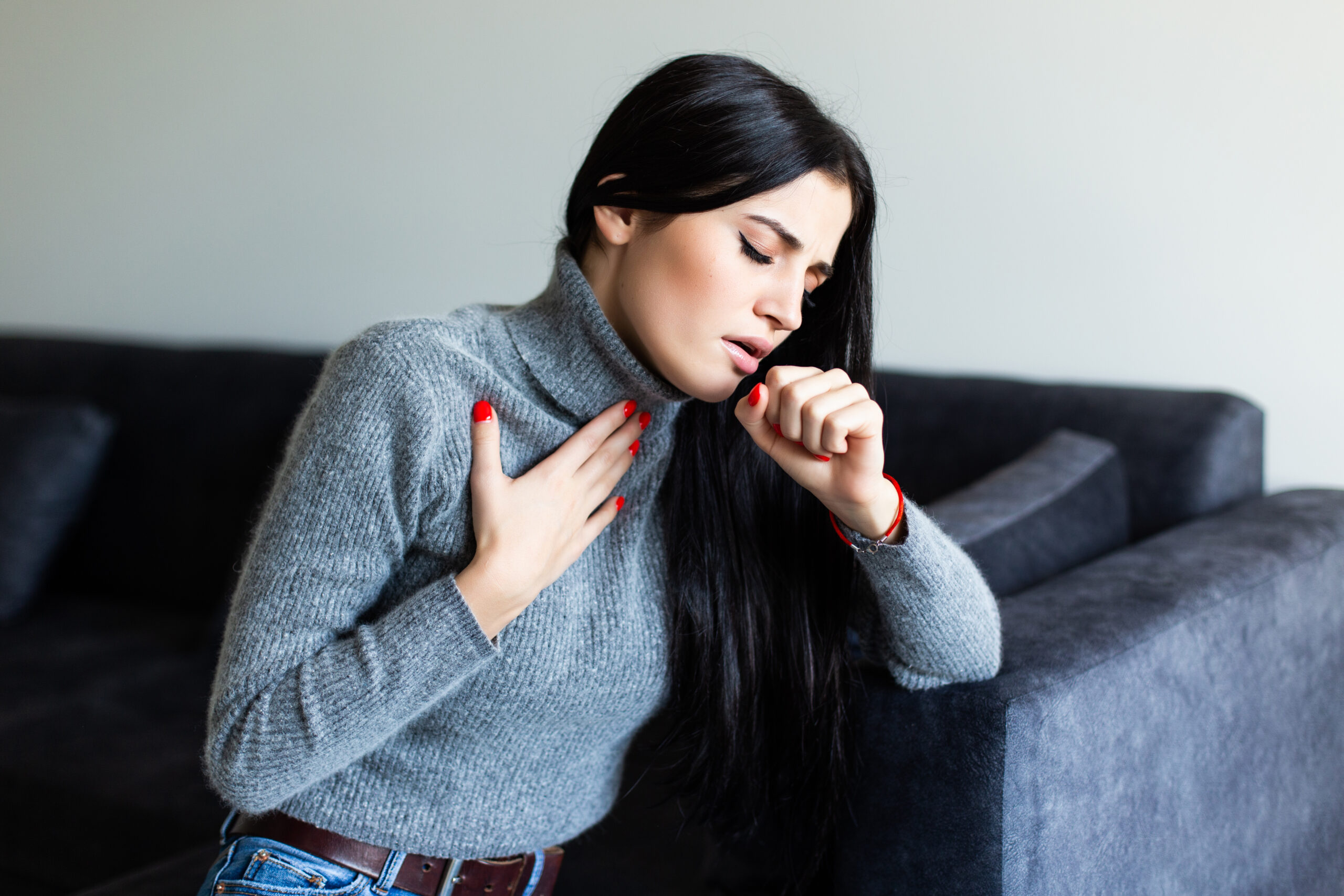
People describe it differently. Some say the chest feels tight, like it is being pressed from outside. Others say they keep trying to take a deep breath and it never feels complete. A few describe sighing constantly without any relief.
It can be acute, meaning it comes on suddenly and goes within a few hours. Or it can be chronic, building gradually over weeks until even light activity leaves you winded. Both matter, but they usually have very different causes.
What Causes Shortness of Breath?
Heart and Lung Problems
These are the two most common sources. Your heart and lungs work together to move oxygen through your body. When either one is struggling, you feel it in your breathing.
Lung-related causes:
- Asthma or COPD
- Pneumonia or bronchitis
- Tuberculosis, which is still fairly common in Kerala
- Blood clot in the lungs (pulmonary embolism)
- Persistent breathlessness after COVID-19 recovery
Heart-related causes:
- Heart failure
- Irregular heart rhythm
- Weakened heart muscle (cardiomyopathy)
- Fluid around the heart
If you have been feeling breathless without explanation, seeing a cardiologist in Trivandrum early is worth it. Heart-related breathlessness often gets written off as tiredness or age, and that delay matters.
Anaemia
Low haemoglobin is an underdiagnosed cause, particularly in women. When your blood cannot carry enough oxygen, the body makes you breathe faster to compensate. A routine blood test catches this.
Anxiety
Panic attacks and high anxiety produce real physical breathlessness. This is not imagined. But anxiety should be a diagnosis of exclusion, not the first assumption, especially if you have any cardiac or respiratory risk factors.
Other Causes
- Excess weight pressing against the diaphragm
- Very low fitness, where the heart and lungs strain under normal activity
- Trivandrum’s heat and humidity, which can worsen breathlessness in vulnerable patients
- Fluid imbalance from kidney disease, something our nephrology doctors regularly assess when breathlessness has no obvious cardiac or lung explanation
When to Go to Emergency
Breathlessness during exercise or when you are carrying extra weight can usually wait for an appointment. These cannot:
- Sudden, severe breathlessness with no clear reason
- Chest pain alongside difficulty breathing
- Blue or grey colour in the lips, nails, or fingertips (low blood oxygen)
- Fast or irregular heartbeat while struggling to breathe
- Breathlessness at rest or while lying flat
- High fever with breathing difficulty
- Swollen ankles or feet combined with breathlessness
These are potential emergencies. Do not wait to see if they pass.
How Is It Diagnosed?
There is no single test that covers every cause. A proper workup at a best hospital in Trivandrum typically includes a physical exam, blood tests, chest X-ray or CT scan, lung function tests, and an ECG or echo if a heart cause is suspected. A pulse oximeter, the small clip on your finger, gives an immediate oxygen reading within seconds of arrival.
How Is It Treated?
Treatment depends entirely on the diagnosis. Asthma and COPD are managed with inhalers. Anaemia is treated with iron supplements or transfusions, depending on severity. Heart failure needs specific cardiac medication. Anxiety responds to structured breathing techniques and, in some cases, medication.
For patients with post-COVID breathlessness, a combined respiratory and cardiac assessment is often the right starting point rather than waiting to see if symptoms resolve on their own.
Frequently Asked Questions
Can stress actually cause shortness of breath?
Yes. Panic attacks produce genuine physical breathlessness. But it should be properly evaluated first to rule out cardiac or lung causes before concluding stress is the only factor.
How long does post-COVID breathlessness last?
It varies. Some patients recover in weeks, others take months. If it is affecting daily activity, a lung function test and cardiac screening are worth doing rather than waiting it out.
When does breathlessness become a cardiac emergency?
If it is sudden, severe, or comes with chest pain, palpitations, or blue-tinged lips and nails, go straight to emergency. A cardiologist specialist in south Kerala should assess this without delay.
Can anaemia cause breathlessness if my heart and lungs are fine?
Yes. Iron deficiency anemia is a common cause of breathlessness in otherwise healthy people, especially women. A standard blood count identifies it.